



Description
Syllabus
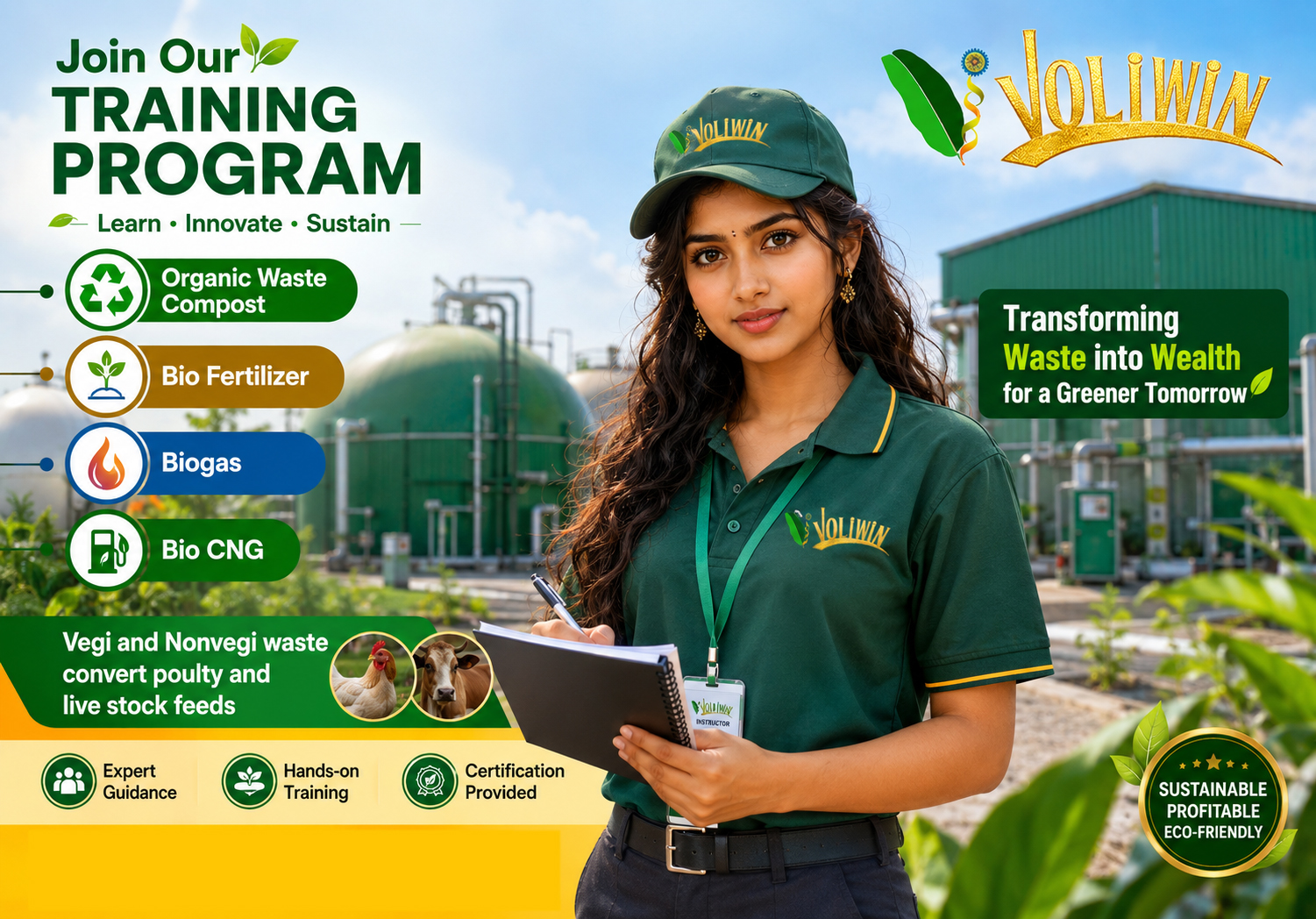
Professional Syllabus – Bio-CNG Production Training Program
1. Introduction to Bio-CNG Technology
- Basics of Bio-CNG production
- Difference between biogas and Bio-CNG
- Importance of renewable green fuels
- Environmental benefits of Bio-CNG
- Scope and future opportunities in Bio-CNG industry
- Waste-to-energy concepts
2. Basics of Biogas & Bio-CNG Science
- Anaerobic digestion principles
- Methane generation process
- Composition of raw biogas
- Bio-CNG purification concepts
- Compression and bottling basics
- Calorific value and fuel efficiency
3. Raw Materials for Bio-CNG Production
Agricultural Waste
- Crop residues
- Sugarcane press mud
- Paddy straw
- Vegetable waste
Animal Waste
- Cow dung
- Poultry waste
- Dairy farm waste
Municipal & Industrial Waste
- Food waste
- Market waste
- Slaughterhouse waste
- Distillery waste
- Sewage sludge basics
4. Types of Bio-CNG Plants
- Small-scale Bio-CNG plants
- Commercial Bio-CNG plants
- Community waste-to-energy systems
- Industrial Bio-CNG systems
- Modular Bio-CNG units
- Integrated biogas upgrading systems
5. Infrastructure & Plant Setup
Site Selection
- Land requirements
- Safety distance standards
- Water and electricity requirements
- Waste collection accessibility
Plant Components
- Anaerobic digester
- Slurry tanks
- Gas purification units
- Compression systems
- Cascade storage cylinders
- Gas dispensers
- Control rooms and safety systems
6. Equipment & Machinery
- Waste shredders
- Slurry mixing systems
- Digesters and fermenters
- Gas scrubbers
- H₂S removal units
- Moisture traps and filters
- CO₂ separation systems
- Compressors
- High-pressure cylinders
- Gas flow meters
- Pressure regulators
- Safety alarms and sensors
7. Feedstock Preparation & Waste Management
- Waste segregation techniques
- Slurry preparation methods
- Moisture management
- Carbon and nitrogen balancing
C:N Ratio=20:1 to 30:1C:N\ Ratio=20:1\ to\ 30:1C:N Ratio=20:1 to 30:1 - Feeding schedule management
- Storage and handling of raw materials
8. Anaerobic Digestion Process
- Digester operation methods
- Temperature management
- pH management
- Retention time control
- Gas yield optimization
- Mixing and agitation techniques
- Biogas production monitoring
9. Biogas Purification Technology
- Hydrogen sulfide removal
- Carbon dioxide removal
- Moisture removal systems
- Activated carbon filtration
- Membrane separation basics
- Water scrubbing systems
- PSA (Pressure Swing Adsorption) basics
10. Bio-CNG Compression & Bottling
- Gas compression principles
- High-pressure compression systems
- Cylinder filling techniques
- Cascade systems
- Fuel dispensing systems
- Vehicle fueling basics
- Safety standards in gas bottling
11. Storage & Transportation
- High-pressure storage systems
- Cylinder handling and maintenance
- Transportation safety standards
- Mobile Bio-CNG supply systems
- Gas distribution models
12. Slurry & Byproduct Management
- Digestate handling
- Organic fertilizer production
- Liquid biofertilizer preparation
- Vermicompost integration
- Agricultural use of slurry
13. Safety & Risk Management
- Fire and explosion prevention
- Gas leakage detection
- Pressure management systems
- Emergency shutdown systems
- PPE and worker safety
- Industrial safety protocols
14. Maintenance & Troubleshooting
Common Problems
- Low methane production
- Pipeline blockage
- Compressor issues
- Excess moisture in gas
- Pressure fluctuations
- Digester acidity problems
Maintenance Practices
- Digester cleaning
- Compressor maintenance
- Filter replacement
- Sensor calibration
- Pipeline inspection
15. Applications of Bio-CNG
- Vehicle fuel applications
- Industrial heating systems
- Power generation
- Cooking fuel applications
- Commercial transport sector use
- Agricultural machinery fuel use
16. Environmental & Sustainability Concepts
- Carbon emission reduction
- Climate-friendly fuel systems
- Circular economy concepts
- Waste recycling and utilization
- Sustainable energy production
- Carbon credit opportunities
17. Quality Control & Testing
- Methane purity testing
- Gas pressure testing
- Moisture and H₂S analysis
- Fuel efficiency analysis
- Slurry nutrient testing
- Performance monitoring systems
18. Business & Entrepreneurship
- Small-scale Bio-CNG business models
- Commercial plant planning
- Investment and machinery cost analysis
- ROI and profit calculations
- Fuel marketing strategies
- Dealer and distribution networks
- Carbon credit business opportunities
19. Government Schemes & Licensing
- SATAT scheme basics
- MNRE renewable energy support
- Biofuel policies
- Pollution control permissions
- PESO licensing basics
- MSME registration
- NABARD and Startup India support
20. Record Keeping & Documentation
- Waste input records
- Gas production logs
- Cylinder filling records
- Maintenance records
- Financial bookkeeping
- Safety inspection reports
21. Practical Training Modules
- Digester setup practical
- Gas purification practical
- Compressor operation practical
- Cylinder filling practical
- Gas testing practical
- Leak detection practical
- Safety drill practical
- Slurry fertilizer preparation practical
22. Advanced Bio-CNG Technologies
- Smart monitoring systems
- IoT-based plant automation
- AI-based gas optimization
- Large-scale industrial Bio-CNG plants
- Integrated waste-to-energy technologies
- Smart fuel dispensing systems
23. Final Assessment & Certification
- Written examination
- Practical assessment
- Gas quality testing practical
- Project presentation
- Internship and industrial exposure
- Professional certification
Course Outcome
After successful completion, trainees will be able to:
- Design and operate Bio-CNG production systems
- Convert organic waste into clean vehicle fuel
- Handle gas purification and compression professionally
- Maintain safety and quality standards in Bio-CNG plants
- Produce organic slurry fertilizers as byproducts
- Start commercial waste-to-energy businesses
- Contribute to sustainable and renewable energy solutions
Suitable For
- Renewable energy entrepreneurs
- Waste management startups
- Farmers and agripreneurs
- Dairy farm owners
- Environmental engineering students
- Organic farming professionals
- Rural youth and SHGs
- Sustainable energy organizations
About the Mentor
About the Mentor
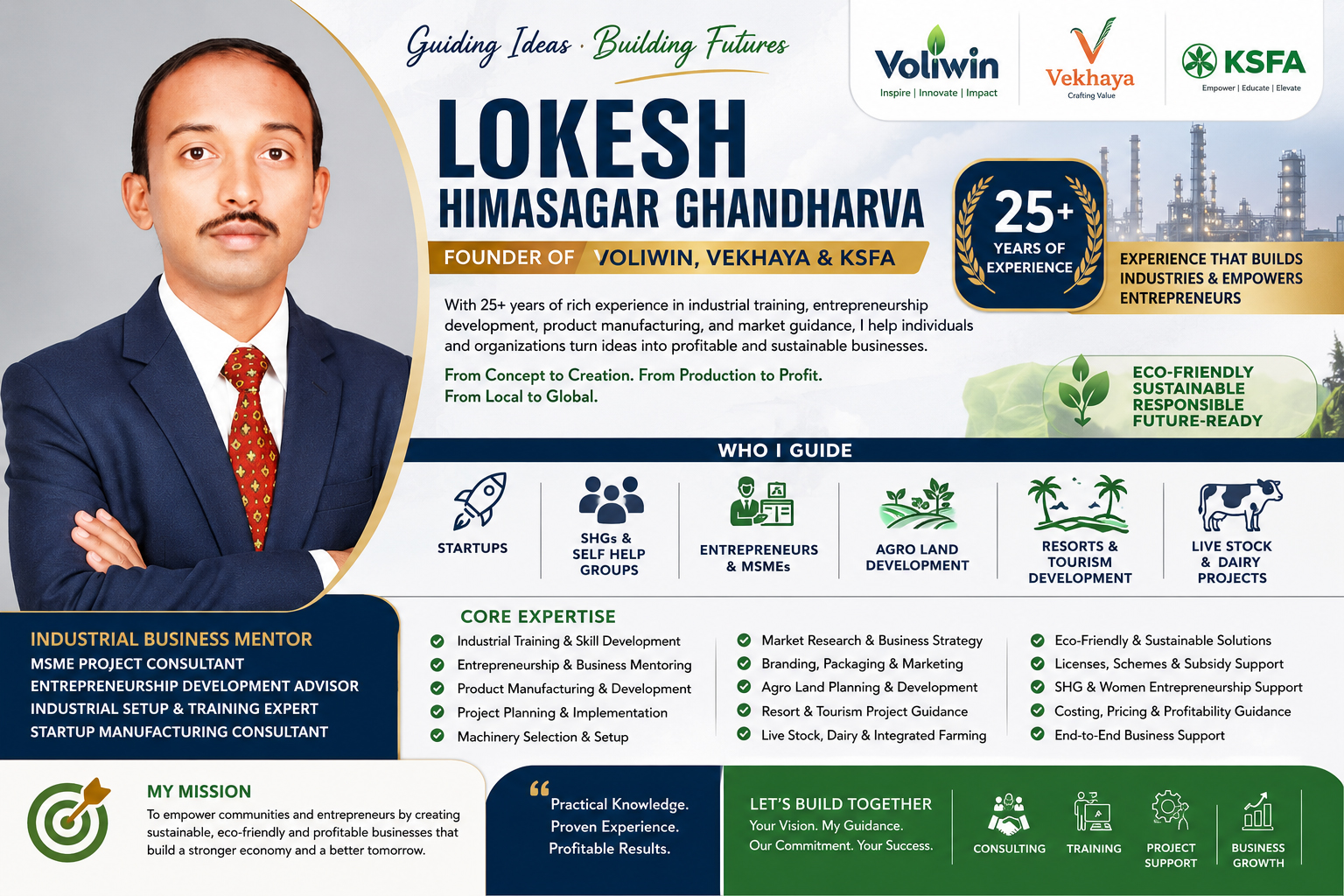
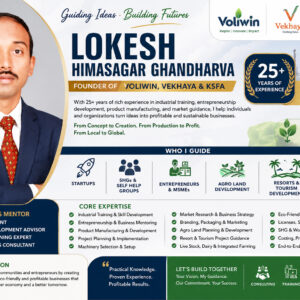
Lokesh Himasagar Ghandharva
Founder & Owner – Voliwin
With more than 25 years of practical industrial experience, Lokesh Himasagar Ghandharva is a dedicated industrial mentor, trainer, and business development consultant who has guided entrepreneurs, SHGs, startups, farmers, women entrepreneurs, and small industries from the idea stage to successful production and marketing.
He specializes in providing complete end-to-end industrial guidance — starting from project planning, machinery selection, raw material sourcing, production setup, quality improvement, branding, packaging, licensing, and market linkage support.
His mission through Voliwin is to help individuals and organizations build sustainable, eco-friendly, and profitable businesses using practical industrial knowledge and modern business strategies.
Core Expertise
- Industrial Training & Skill Development
- Startup & Entrepreneurship Guidance
- MSME and Small Industry Consulting
- Eco-Friendly Product Development
- Handmade & Rural Industry Promotion
- Food Processing & Value Addition
- Dairy, Gaushala & Agro-Based Projects
- Agro Land Development & Farm Planning
- Resort & Rural Tourism Development
- Livestock Farming Development
- Product Branding & Packaging Guidance
- Market Development & Sales Strategy
- Machinery Selection & Factory Setup
- SHG and Women Entrepreneurship Training
- Project Reports (DPR) & Subsidy Guidance
- E-commerce Product Development Support
Training Philosophy
“From Scratch to Market Success”
Lokesh believes that training should not be limited to theory alone. His practical approach focuses on:
- Real industry exposure
- Low-cost business models
- Sustainable production methods
- Market-oriented product development
- Long-term entrepreneurship growth
He strongly promotes:
- Rural empowerment
- Women-led entrepreneurship
- Eco-conscious manufacturing
- Skill-based self-employment opportunities
Industries & Sectors Supported
- Handmade Products
- Wool & Textile Crafts
- Candle & Wellness Products
- Food Processing Industries
- Herbal & Natural Products
- Dairy & Gaushala Projects
- Agro Farming & Land Development
- Resort & Eco Tourism Projects
- Livestock & Integrated Farming Systems
- Rural Manufacturing Units
- Packaging & Labeling Solutions
- Agricultural Value Addition
- Artisan Skill Development
Services Offered Through Voliwin
- Professional Industrial Consultation
- Onsite Factory & Project Guidance
- Agro Land & Farm Development Consulting
- Resort & Tourism Project Planning
- Livestock Farming Development Support
- Skill Training Programs
- Startup Mentorship
- Product Development Assistance
- Branding & Marketing Guidance
- Business Model Planning
- Technical Process Training
- Machinery & Production Support
- Industrial Exposure Programs
Vision
To create sustainable livelihood opportunities by connecting traditional skills, eco-friendly innovations, agriculture, tourism, and modern market systems — helping entrepreneurs build strong and successful businesses across rural and urban India.
Contact for Professional Consultation
Available for:
- Online Consultation
- Industrial Visits
- Startup Guidance
- Training Programs
- Agro & Tourism Project Development
- Business Mentorship
Consultation: By Appointment Only
Terms & Conditions
Terms & Conditions for Consultancy Services
By purchasing any consultancy, training, mentorship, project guidance, or advisory service from Voliwin, the customer agrees to the following Terms & Conditions.
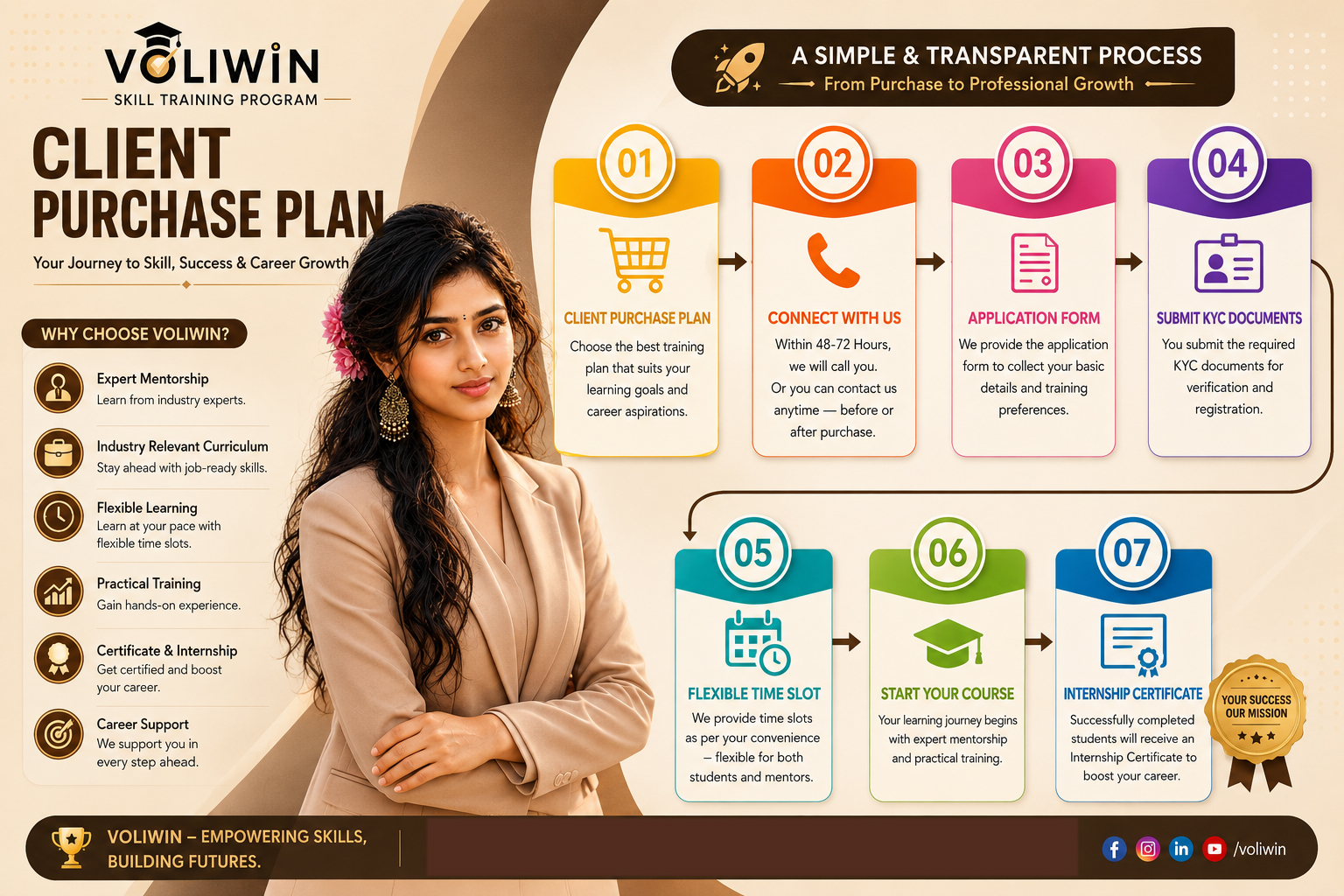
- Service Confirmation After purchase, our team will contact you within 48 working hours to collect your project details, requirements, queries, and consultation preferences. Consultations may be conducted through:Online Meeting, Phone Call, Video Conference, Offline Face-to-Face Meeting, Onsite Visit (if applicable): 2. Non-Refundable Polic, All consultancy, mentorship, training, advisory, industrial guidance, and project consultation fees are strictly non-refundable under any circumstances once payment is completed. 3. Transfer of Consultancy Service Customers are allowed to transfer their purchased consultancy service to another industry, project, or business category only before the consultation process officially starts.Once the consultancy session, technical discussion, guidance process, training, document preparation, or advisory work has started, transfer requests will not be permitted.4. Consultation Scope The consultancy service includes guidance related to: Business Setup Industrial Projects Agro Land Development Resort & Tourism Projects Livestock & Dairy Development Machinery Guidance Branding & Marketing Production Improvement Product Development Process Upgradation Skill Training & Mentorship Our guidance is based on practical industrial experience and available information shared by the client. 5. Additional Consultation Requirement If the customer requires: Additional technical support Extra consultation hours Advanced training New project guidance Further documentation support Additional sessions beyond purchased duration then a new consultation session/package must be purchased separately.6. Breakup / Split Consultation Customers are allowed to divide their purchased consultation duration into smaller sessions based on mutual scheduling availability. Example: A 1-hour session may be split into two 30-minute sessions. Half-day and full-day consultations may also be scheduled in phases. 7. Working Hour Definition Half-Day Consultation = 3 Working Hours, Full-Day Consultation = 6 Working Hours, Travel time, waiting time, and field visit time may be considered separately depending on the project location. 8. Onsite Visit Charges For onsite industrial, agricultural, resort, tourism, livestock, or project visits: Travel charges Accommodation charges Food & local transport charges may be additionally applicable and payable by the client. 9. No Guarantee Clause Consultancy and guidance services are advisory in nature. Business success, approvals, profits, licenses, subsidies, production results, or market performance depend on multiple external factors and client mplementation. Voliwin does not guarantee: Government approvals Subsidy sanction Business profit Product sales Loan approval Market success 10. Client Responsibility Clients must provide accurate information, documents, project details, and business data required for consultation and advisory support. Any wrong or incomplete information provided by the client may affect guidance quality. 11. Training & Intellectual Property All consultancy materials, guidance methods, training content, project ideas, reports, and business strategies shared by Voliwin remain intellectual property of Voliwin unless otherwise agreed in writing. Unauthorized resale, recording, copying, or commercial redistribution is prohibited. 12. Appointment & Rescheduling Consultation appointments must be scheduled in advance. Rescheduling requests should be informed at least 24 hours before the scheduled meeting time. Acceptance of Terms By clicking “Purchase”, “Book Now”, “Proceed”, or making payment for any consultancy service, the customer automatically confirms that they have read, understood, and agreed to all Terms & Conditions mentioned above. 14. Jurisdiction All legal matters, disputes, claims, or proceedings related to consultancy services shall be subject exclusively to the jurisdiction of Malur, Karnataka only. 15. Contact For support, scheduling, or consultation-related communication, customers may contact the Voliwin support team through official communication channels only.
Reviews
There are no reviews yet.